With how Olin landscape designs integrate sustainability at the forefront, this paragraph opens a window to an amazing start and intrigue, inviting readers to embark on a storytelling journey filled with unexpected twists and insights.
Sustainability in landscape design is more than just a trend - it's a way to create outdoor spaces that not only look beautiful but also work in harmony with the environment. In this guide, we will explore the importance, principles, techniques, and impact of integrating sustainability into Olin landscape designs.
Importance of Sustainable Landscape Design
Sustainable landscape design plays a crucial role in preserving the environment and promoting a healthier ecosystem for both humans and wildlife. By incorporating sustainable practices, we can minimize negative impacts on the environment while creating beautiful and functional outdoor spaces.
Examples of Sustainable Practices in Landscaping
- Using native plants that require less water and maintenance.
- Implementing rain gardens to capture and filter stormwater runoff.
- Installing permeable paving to reduce water runoff and prevent erosion.
- Utilizing compost and mulch to improve soil health and reduce the need for chemical fertilizers.
Benefits of Integrating Sustainability into Landscape Designs
- Reduces water consumption and promotes water conservation.
- Enhances biodiversity by providing habitats for native wildlife.
- Improves air quality by reducing the need for gas-powered lawn equipment.
- Creates a more resilient landscape that can withstand extreme weather events.
Principles of Sustainable Landscape Design
Sustainable landscape design is guided by key principles that aim to minimize environmental impact, promote biodiversity, and enhance ecosystem health.
Water Conservation
One of the fundamental principles of sustainable landscape design is water conservation. This involves using water-efficient irrigation systems, capturing rainwater, and selecting drought-resistant plants to reduce water consumption and minimize runoff, ultimately conserving this precious resource.
Native Plant Selection
Choosing native plants is essential in sustainable landscape design as they are adapted to the local climate, soil conditions, and wildlife. By incorporating native plants, the landscape can support local ecosystems, provide habitat for wildlife, and reduce the need for excessive water, fertilizer, and pesticides.
Soil Health
Maintaining soil health is crucial for sustainable landscape design. Practices such as composting, mulching, and avoiding the use of harmful chemicals help improve soil structure, fertility, and microbial activity. Healthy soil promotes plant growth, nutrient cycling, and water retention, contributing to overall ecosystem health.
Energy Efficiency
Energy-efficient landscaping strategies, such as planting trees for shade, creating windbreaks, and optimizing the layout for passive solar heating and cooling, can help reduce the need for artificial heating and cooling systems. By incorporating these principles, sustainable landscape design can lower energy consumption and greenhouse gas emissions.
Techniques for Integrating Sustainability
Integrating sustainability into landscape designs involves implementing various techniques that focus on reducing environmental impact and promoting long-term ecological health.
Use of Native Plants and Materials
One key technique for sustainable landscape design is incorporating native plants and materials. Native plants are well-adapted to the local climate and soil conditions, requiring less water, fertilizer, and pesticides compared to non-native species. By using native plants, designers can create landscapes that support local wildlife, enhance biodiversity, and reduce maintenance needs.
Water Conservation Techniques
Another important aspect of sustainable landscape design is integrating water conservation techniques. This can include designing rain gardens to capture and filter stormwater runoff, installing drip irrigation systems to deliver water directly to plant roots, and using permeable paving materials to reduce water runoff and allow for natural groundwater recharge.
By implementing these techniques, landscape designers can help conserve water resources and reduce the strain on municipal water supplies.
Impact of Sustainable Landscape Design
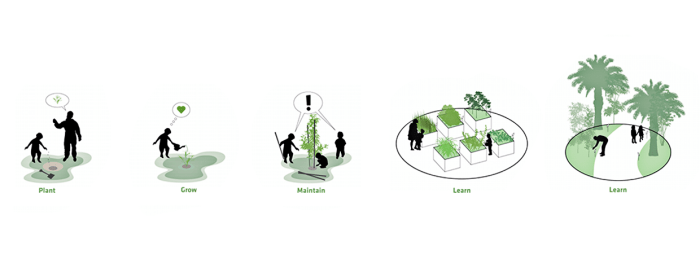
Sustainable landscape designs have a significant positive environmental impact, contributing to the overall health of our planet. These designs are specifically tailored to reduce negative effects on the environment, promote biodiversity, and conserve natural resources.
Reducing Carbon Footprint
- Sustainable landscape designs help reduce carbon footprint by incorporating features such as native plantings, green roofs, and permeable paving. These elements absorb carbon dioxide from the atmosphere and mitigate the heat island effect in urban areas.
- By sequestering carbon and reducing energy consumption through natural cooling and shading, sustainable landscapes play a crucial role in combating climate change.
Improving Air and Water Quality
- Through the use of native plants and trees, sustainable landscapes improve air quality by filtering pollutants and producing oxygen. This helps in reducing respiratory illnesses and creating a healthier living environment.
- Additionally, sustainable landscape designs reduce water runoff and promote infiltration, which helps in filtering water pollutants and replenishing groundwater sources. This leads to improved water quality and reduced strain on urban drainage systems.
Final Conclusion
In conclusion, Olin landscape designs that prioritize sustainability offer a myriad of benefits for the environment, biodiversity, and overall ecosystem health. By embracing sustainable practices, we can create landscapes that not only look stunning but also contribute positively to the world around us.
Question Bank
How can Olin landscape designs promote biodiversity?
Olin landscape designs can promote biodiversity by incorporating a variety of native plants that attract diverse wildlife, creating habitats for different species to thrive.
What are some examples of sustainable practices in Olin landscape designs?
Examples include using permeable paving to reduce water runoff, installing rain gardens to manage stormwater, and incorporating solar-powered lighting for energy efficiency.
Why is water conservation important in sustainable landscaping?
Water conservation is crucial in sustainable landscaping to minimize water waste, preserve natural resources, and create drought-resistant outdoor spaces.