Delving into the realm of primary care physicians versus internists, this exploration promises a deep dive into the distinct roles and responsibilities each medical professional holds. Brace yourself for an enlightening journey filled with insights and clarity.
As we unravel the disparities between primary care physicians and internists, a clearer picture emerges of how these healthcare providers impact patient care.
Primary Care Physician vs Internist
![Immigration Physical Exam [Easy Process]](https://health.radarcirebon.tv/wp-content/uploads/2025/07/29-1062.00.jpg "Immigration Physical Exam [Easy Process]")
When it comes to healthcare, both primary care physicians and internists play crucial roles in ensuring the well-being of patients. Let's delve into the specifics of each profession to understand their differences and focus areas.
Role of a Primary Care Physician
A primary care physician serves as the initial point of contact for patients seeking medical care. They are responsible for providing preventive care, diagnosing and treating common illnesses and injuries, and managing chronic conditions. Primary care physicians focus on overall health and well-being, as well as coordinating care across various specialties for their patients.
Role of an Internist
Internists, on the other hand, are specialists who focus on adult healthcare. They are trained to diagnose and treat complex medical conditions and diseases that affect adults. Internists often act as consultants to primary care physicians, providing specialized care for patients with challenging health issues.
They may also focus on specific areas such as cardiology, gastroenterology, or pulmonology.
Focus Areas
- Primary Care Physician:
- Preventive care and health maintenance
- Diagnosis and treatment of common illnesses and injuries
- Management of chronic conditions
- Coordination of care across specialties
- Internist:
- Specialized care for adult patients
- Diagnosis and treatment of complex medical conditions
- Focus on specific areas of expertise
- Consultation for challenging health issues
Education and Training
Becoming a primary care physician or an internist requires rigorous education and training to ensure proficiency in providing quality healthcare services to patients.
Primary Care Physician Educational Path
To become a primary care physician, individuals must complete a Bachelor's degree, followed by four years of medical school to earn a Doctor of Medicine (MD) or Doctor of Osteopathic Medicine (DO) degree. After medical school, aspiring primary care physicians undergo a three-year residency program in family medicine, internal medicine, or pediatrics.
Internist Educational Requirements
Internists follow a similar educational path as primary care physicians, starting with a Bachelor's degree and four years of medical school to obtain an MD or DO degree. However, internists then complete a three-year residency program specifically in internal medicine, focusing on adult patient care.
Comparison of Residency Training Programs
- Primary care physicians undergo residency training in family medicine, internal medicine, or pediatrics, with a broader focus on comprehensive care for patients of all ages.
- Internists, on the other hand, undergo residency training solely in internal medicine, specializing in the diagnosis and treatment of adult patients with complex medical conditions.
Scope of Practice
Primary care physicians and internists have distinct areas of focus when it comes to treating patients. Let's delve into the differences in the range of conditions they typically manage.
Conditions Treated by Primary Care Physicians
Primary care physicians are often the first point of contact for patients seeking medical care. They are trained to diagnose and treat a wide variety of acute and chronic illnesses
- Respiratory infections like colds and flu
- Chronic conditions such as diabetes and hypertension
- Skin conditions like eczema and acne
- Mental health issues including anxiety and depression
- Preventive care and health maintenance
Conditions Managed by Internists
Internists, on the other hand, are specialists who focus on the diagnosis and treatment of complex medical conditions in adults. They commonly manage conditions such as:
- Cardiovascular diseases including heart failure and arrhythmias
- Gastrointestinal disorders like Crohn's disease and ulcerative colitis
- Rheumatologic conditions such as rheumatoid arthritis
- Infectious diseases like HIV/AIDS and tuberculosis
- Endocrine disorders like thyroid problems and adrenal issues
Patient Populations
The patient populations seen by primary care physicians and internists also differ. Primary care physicians typically see patients of all ages, from infants to the elderly, and provide comprehensive care for a wide range of health issues. Internists, on the other hand, primarily focus on adult patients and manage more complex medical conditions that require specialized knowledge and expertise.
Collaborations and Referrals
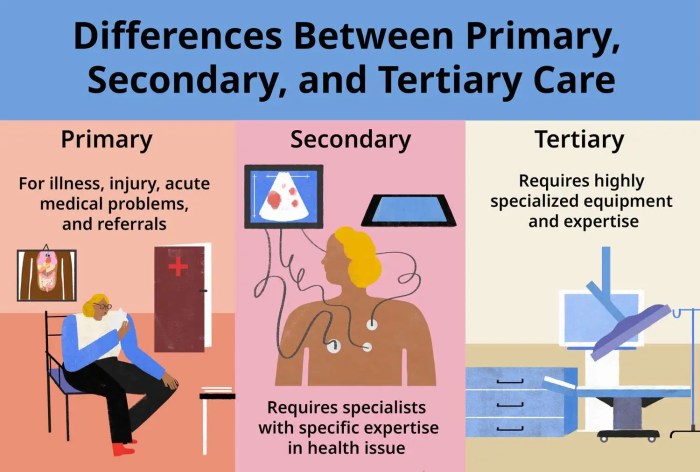
Primary care physicians and internists often collaborate with specialists and refer patients to other healthcare providers to ensure comprehensive and specialized care for their patients.
Collaboration with Specialists
Primary care physicians work closely with specialists in various fields such as cardiology, dermatology, or orthopedics to address specific health concerns beyond their scope of practice. They communicate with specialists to coordinate care plans, share patient information, and ensure that the patient receives appropriate treatment.
For example, a primary care physician may refer a patient with a heart condition to a cardiologist for further evaluation and management.
Referrals by Internists
Internists, being specialists in internal medicine, often refer patients to other healthcare providers such as surgeons, oncologists, or neurologists for specialized treatment or procedures. They assess the patient's condition, make a diagnosis, and determine the need for specialized care beyond their expertise.
For instance, an internist may refer a patient with a complex neurological disorder to a neurologist for further evaluation and treatment.
Examples of Necessary Collaboration
Collaboration between primary care physicians and internists is crucial in scenarios where a patient's health condition requires a multidisciplinary approach. For instance, a patient with diabetes may benefit from the collaboration between a primary care physician for overall management, an internist for specialized diabetes care, and an endocrinologist for complex cases.
By working together and sharing information, these healthcare providers can ensure the patient receives comprehensive and coordinated care.
Closing Summary

In conclusion, the juxtaposition of primary care physicians and internists sheds light on the crucial distinctions in their practice areas and patient interactions. This comparison serves as a valuable guide for individuals seeking medical care and understanding the healthcare landscape.
FAQ Guide
What types of conditions do primary care physicians usually treat?
Primary care physicians typically handle a wide range of common health issues, such as colds, flu, minor injuries, and chronic conditions like diabetes.
How do internists differ from primary care physicians in terms of patient populations?
Internists tend to focus on caring for adults, including managing complex or chronic illnesses, while primary care physicians cater to patients of all ages and provide preventive care.