Exploring the realm of Digilife digital transformation planning and execution unveils a world of innovation and strategic decision-making. This introduction sets the stage for a deep dive into the key components and significance of digital transformation in the context of Digilife, using a captivating and informative language style to engage readers from the get-go.
Detailing the importance of strategic planning, technology integration, change management, and leadership in the digital transformation journey, this topic promises to deliver valuable insights and practical advice for organizations navigating the ever-evolving digital landscape.
Overview of DigiLife Digital Transformation Planning and Execution
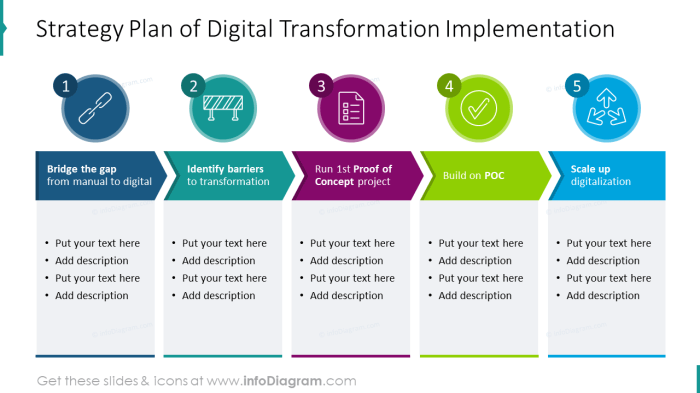
At DigiLife, digital transformation is the process of integrating digital technology into all areas of the business to fundamentally change how it operates and delivers value to customers.
Key Components of Planning and Executing Digital Transformation at DigiLife
Digital transformation at DigiLife involves several key components that are crucial for successful planning and execution:
- Clear Vision and Strategy: Establishing a clear vision and strategy to align digital initiatives with overall business goals.
- Technology Integration: Integrating cutting-edge technologies to streamline processes and enhance customer experiences.
- Talent Development: Investing in training and upskilling employees to adapt to new digital tools and ways of working.
- Data-driven Decision Making: Leveraging data analytics to make informed decisions and drive business growth.
Significance of Digital Transformation for Organizations like DigiLife
Digital transformation is of paramount importance for organizations like DigiLife due to its ability to:
- Enhance Customer Experience: By offering personalized services and seamless interactions through digital channels.
- Improve Operational Efficiency: Streamlining processes and automating tasks to increase productivity and reduce costs.
- Stay Competitive: Remaining relevant in a rapidly evolving market by adapting to technological advancements and changing customer preferences.
- Drive Innovation: Fostering a culture of innovation and agility to respond quickly to market demands and opportunities.
Importance of Strategic Planning
Having a strategic plan for digital transformation is crucial for organizations looking to navigate the complexities and uncertainties of the digital landscape. It provides a roadmap to guide decision-making, resource allocation, and implementation of initiatives.
Strategic Planning Methods in Digital Transformation
There are several strategic planning methods commonly used in digital transformation:
- SWOT Analysis: A tool to identify Strengths, Weaknesses, Opportunities, and Threats, helping organizations understand their current position and potential avenues for growth.
- Agile Methodology: An iterative approach that allows for flexibility and quick adjustments based on feedback, ensuring alignment with evolving business needs.
- Scenario Planning: Anticipating different future scenarios and preparing strategies to adapt to each one, reducing risks and enhancing preparedness for uncertainties.
Strategic Planning and Digital Transformation Success
Strategic planning plays a pivotal role in the success of digital transformation initiatives by:
- Setting Clear Objectives: Defining specific goals and milestones helps align efforts and resources towards achieving desired outcomes.
- Resource Allocation: Efficient allocation of resources based on strategic priorities ensures optimal utilization and maximizes impact.
- Change Management: Planning for organizational change enables smooth transitions, mitigates resistance, and fosters a culture of innovation and adaptability.
Technology Integration and Infrastructure Development
Technology integration plays a crucial role in digital transformation planning as it involves incorporating various digital tools and systems into the existing business processes to enhance efficiency, productivity, and customer experience.
Developing Infrastructure to Support Digital Initiatives
- Assess Current Infrastructure: Before implementing any digital initiatives, it is essential to evaluate the existing infrastructure to identify gaps and areas that need improvement.
- Invest in Scalable Solutions: To support the growth and scalability of digital initiatives, organizations should invest in infrastructure that can accommodate future needs and expansion.
- Implement Cloud Solutions: Leveraging cloud technology can provide flexibility, accessibility, and cost-effectiveness in supporting digital transformation initiatives.
- Ensure Security Measures: Developing a robust cybersecurity framework is crucial to protect sensitive data and ensure the integrity of digital infrastructure.
Challenges and Best Practices
- Challenges of Integration: Organizations may face resistance to change, compatibility issues between systems, and the complexity of integrating new technologies with legacy systems.
- Best Practices for Integration: Establish clear communication channels, involve stakeholders from various departments, conduct thorough training programs, and regularly monitor and evaluate the integration process.
- Infrastructure Development Challenges: Limited budget, lack of skilled IT professionals, and the need for continuous updates and maintenance pose challenges in developing infrastructure for digital initiatives.
- Best Practices for Infrastructure Development: Prioritize investments based on business objectives, collaborate with trusted technology partners, leverage automation tools for maintenance, and regularly assess and update infrastructure to meet evolving needs.
Change Management and Leadership
Change management plays a crucial role in the success of digital transformation initiatives within an organization. It involves systematically managing the changes brought about by the adoption of new digital technologies, processes, and strategies.
Key Leadership Qualities
Successful digital transformation requires strong leadership with key qualities such as vision, adaptability, clear communication, and the ability to inspire and motivate teams. Leaders must be able to navigate uncertainty, drive innovation, and foster a culture of continuous learning and improvement.
Strategies for Overcoming Resistance
- Engage stakeholders early on: Involving employees and other stakeholders in the planning and decision-making process can help build buy-in and reduce resistance to change.
- Communicate effectively: Transparent and open communication about the reasons for change, potential benefits, and impact on individuals can help alleviate fears and uncertainties.
- Provide training and support: Offering training programs, resources, and support to help employees develop the necessary skills and knowledge for the digital transformation can increase acceptance and reduce resistance.
- Lead by example: When leaders demonstrate their commitment to the transformation and actively participate in the change process, it can inspire others to follow suit.
- Address concerns and feedback: Encouraging feedback, addressing concerns, and making adjustments based on input from employees can help address resistance and improve the overall success of the transformation.
Final Thoughts
In conclusion, the discussion on Digilife digital transformation planning and execution encapsulates the essence of adaptability and forward-thinking in today's competitive business environment. By emphasizing strategic planning, technology integration, and effective leadership, organizations can pave the way for successful digital transformation initiatives that drive growth and innovation.
FAQ Guide
What are the key components of digital transformation planning at Digilife?
The key components include strategic planning, technology integration, change management, and leadership focus.
How does technology integration impact digital transformation initiatives?
Technology integration ensures seamless adoption of digital tools and platforms, enhancing operational efficiency and customer experiences.
What leadership qualities are essential for successful digital transformation at Digilife?
Key leadership qualities include vision, adaptability, effective communication, and a focus on fostering innovation within the organization.