Embark on a journey through the iconic Frank Lloyd Wright houses that are accessible to the public today. Delve into the rich history and architectural significance of these masterpieces, each showcasing unique features that reflect Wright's innovative design principles.
Discover the locations of these architectural wonders and learn how you can experience them firsthand as a visitor.
Frank Lloyd Wright Houses You Can Visit Today
Frank Lloyd Wright, a renowned American architect, left a lasting legacy with his innovative designs that continue to inspire architects and enthusiasts worldwide. Several of his iconic houses are open to the public, allowing visitors to experience his genius firsthand.
Taliesin West, Arizona
Taliesin West, located in Scottsdale, Arizona, served as Wright's winter home and studio. This masterpiece of organic architecture seamlessly blends with the surrounding desert landscape, showcasing Wright's commitment to harmony with nature.
Fallingwater, Pennsylvania
Fallingwater, situated in Mill Run, Pennsylvania, is a true architectural marvel. This house built over a waterfall exemplifies Wright's principle of unity between nature and structure, with cantilevered terraces that seem to float above the rushing water.
Robie House, Illinois
The Robie House in Chicago, Illinois, is a prime example of Wright's Prairie style architecture. Its horizontal lines, overhanging eaves, and open floor plan reflect Wright's vision of creating spacious, functional living spaces that seamlessly connect with the outdoors.
Preservation of Frank Lloyd Wright Houses
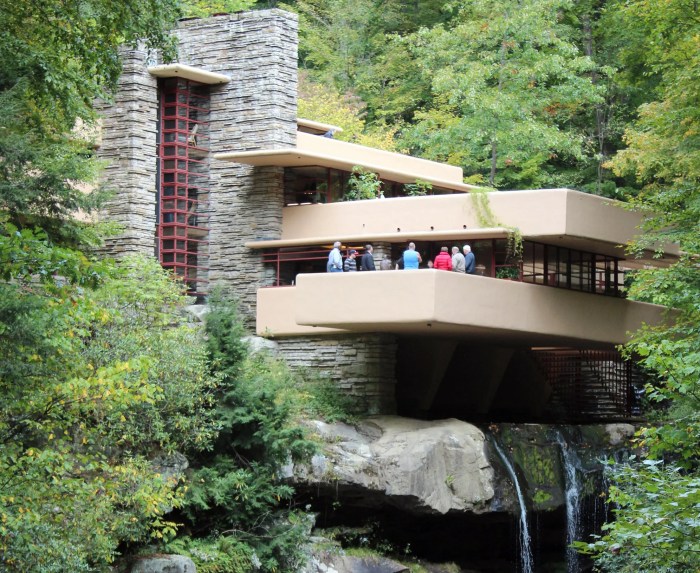
Preserving Frank Lloyd Wright's architectural legacy is crucial to maintaining the integrity of his groundbreaking designs and contributions to the field of architecture. These houses serve as a reflection of Wright's innovative vision and continue to inspire architects and enthusiasts worldwide.
Challenges in Maintaining Historic Houses
Maintaining historic Frank Lloyd Wright houses presents numerous challenges due to their age, unique design features, and the need for specialized conservation techniques. These houses require constant attention to preserve their original beauty and structural integrity.
Restoration Projects and Impact
- The restoration of the Robie House in Chicago, completed in 2019, highlighted the importance of preserving Wright's Prairie style architecture and its historical significance.
- The restoration of the Taliesin estate in Wisconsin showcased the dedication of preservationists in protecting Wright's personal home and studio, allowing visitors to experience his creative environment.
Several restoration projects have been undertaken on Wright's houses, such as the ongoing work at the Fallingwater house in Pennsylvania. These projects not only help to ensure the longevity of these architectural treasures but also provide valuable insights into Wright's design principles and construction techniques.
Role of Preservation Organizations
Organizations like the Frank Lloyd Wright Building Conservancy play a vital role in advocating for the preservation of Wright's buildings and providing resources for restoration efforts. These foundations work tirelessly to raise awareness about the importance of protecting these architectural gems for future generations to enjoy.
Influence of Frank Lloyd Wright on Modern Architecture
Frank Lloyd Wright's innovative designs have had a profound impact on modern architecture, shaping the way buildings are conceptualized and constructed today.
Architectural Elements in Wright's Houses vs. Modern Buildings
Wright's houses are characterized by open floor plans, integration with nature, and the use of natural materials like wood and stone. These elements can be seen in many modern buildings, where architects strive to create spaces that are harmonious with their surroundings.
- Flat roofs and horizontal lines: Wright's emphasis on horizontal lines to blend in with the natural landscape has influenced contemporary architecture, where flat roofs are often used to create a seamless connection between the building and the environment.
- Open floor plans: Wright's concept of open, flowing spaces without traditional barriers has become a staple in modern architecture, promoting a sense of freedom and unity within a structure.
- Use of natural materials: The use of materials like wood, stone, and glass in Wright's designs has inspired modern architects to prioritize sustainability and incorporate natural elements into their buildings.
Principles of Organic Architecture
Frank Lloyd Wright's principles of organic architecture, which emphasize harmony between the built environment and nature, are still relevant today as architects seek to create sustainable and environmentally conscious designs.
“No house should ever be on a hill or on anything. It should be of the hill. Belonging to it. Hill and house should live together each the happier for the other.”
Frank Lloyd Wright
Architects and Buildings Inspired by Wright's Work
Many architects have been inspired by Frank Lloyd Wright's work and have incorporated elements of his style into their own designs. One notable example is Zaha Hadid, whose fluid and dynamic structures echo Wright's emphasis on organic forms and spatial flow.
- The Guggenheim Museum in New York City, designed by Wright, has influenced the work of architects like Frank Gehry, whose unconventional and sculptural buildings push the boundaries of modern architecture.
- The Fallingwater house in Pennsylvania, with its cantilevered balconies and seamless integration with nature, has inspired contemporary architects like Tadao Ando, known for his minimalist and serene designs.
Closing Summary
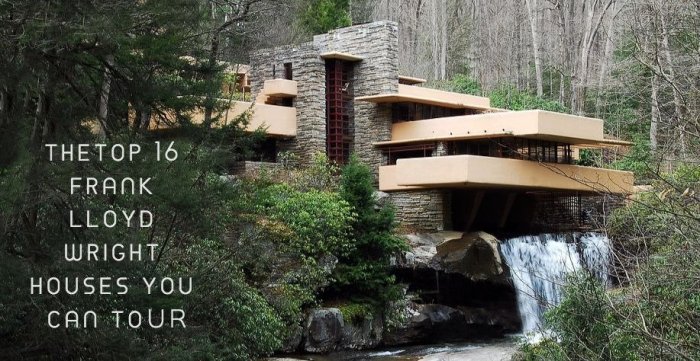
In conclusion, the exploration of Frank Lloyd Wright houses you can visit today offers a glimpse into the genius of this renowned architect and his lasting impact on the world of architecture. Each visit is a testament to Wright's enduring legacy and a journey through history and innovation.
Common Queries
What are some iconic Frank Lloyd Wright houses open to the public?
Some iconic Frank Lloyd Wright houses that you can visit today include Fallingwater, Taliesin West, and the Guggenheim Museum.
Why is it important to preserve Frank Lloyd Wright's architectural legacy?
Preserving Frank Lloyd Wright's architectural legacy is crucial to maintaining the heritage and influence of his groundbreaking designs for future generations.
How have Frank Lloyd Wright's designs influenced modern architecture?
Frank Lloyd Wright's designs have had a profound impact on modern architecture, inspiring architects and influencing the evolution of architectural styles.