Embark on a journey of selecting the perfect architectural rendering company with this guide at the helm. From factors to consider to evaluating portfolios, this topic delves into the intricate details to help you make an informed decision.
Exploring the essential aspects of choosing an architectural rendering company is crucial for achieving the desired results.
Factors to Consider
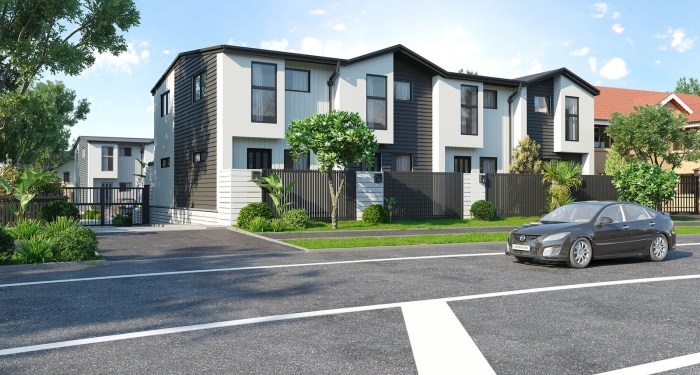
When choosing an architectural rendering company, several factors need to be taken into consideration to ensure the final product meets your expectations and requirements.
Experience and Expertise
One of the most crucial factors to consider is the experience and expertise of the architectural rendering company. A company with a proven track record and a team of skilled professionals is more likely to deliver high-quality renderings that accurately depict your vision.
Portfolio of Past Projects
Reviewing the portfolio of past projects can give you a good idea of the quality and style of work the company produces. Look for projects that are similar to yours in terms of size, scope, and complexity to gauge their capabilities.
Software and Technology
The software and technology used by the rendering company can significantly impact the quality of the final product. Make sure the company uses the latest tools and technologies to create realistic and visually appealing renderings.
Communication and Collaboration
Effective communication and collaboration are essential for a successful rendering project. Choose a company that is responsive, listens to your feedback, and keeps you updated throughout the process to ensure your vision is accurately translated into the final rendering.
Cost and Timeline
Consider the cost and timeline proposed by the architectural rendering company. While it's important to stay within budget and meet deadlines, be cautious of companies that offer extremely low prices or unrealistic turnaround times, as this could compromise the quality of the final rendering.
Portfolio Evaluation
When choosing an architectural rendering company, evaluating their portfolio is crucial to ensure they can meet your specific needs and expectations. A company's portfolio provides a glimpse into their style, expertise, and capabilities, helping you make an informed decision.
Tips for Portfolio Evaluation
- Look for a Variety of Projects: A diverse portfolio showcasing a range of projects, such as residential, commercial, institutional, and industrial buildings, demonstrates the company's versatility and experience in different sectors.
- Quality of Work: Pay attention to the quality of the renderings in the portfolio. Clear, detailed, and realistic visuals indicate the company's proficiency in creating visually appealing architectural illustrations.
- Client Satisfaction: Check for client testimonials or case studies in the portfolio. Positive feedback and successful project outcomes are a good indication of the company's professionalism and ability to deliver results.
- Innovation and Creativity: Look for innovative design solutions and creative approaches in the projects featured. A company that pushes boundaries and thinks outside the box can bring fresh ideas to your project.
- Consistency and Cohesion: Evaluate the overall consistency and cohesion in the portfolio. A cohesive style and attention to detail across different projects demonstrate the company's commitment to quality and design integrity.
Client Reviews and Testimonials

Reading client reviews and testimonials is crucial when choosing an architectural rendering company. These first-hand accounts provide valuable insights into the quality of work, communication, and overall experience clients have had with the company. It helps in making an informed decision and gives an idea of what to expect.
Interpreting and Analyzing Client Feedback
- Look for patterns: Pay attention to recurring themes or comments across multiple reviews. Consistent feedback can indicate the company's strengths or weaknesses.
- Consider the context: Understand the circumstances under which the feedback was given. Was the client's expectation realistic? Was the issue addressed promptly?
- Check for specifics: Detailed reviews that mention specific aspects of the service provided can give a clearer picture of the company's performance.
- Verify authenticity: Be cautious of fake reviews or testimonials. Cross-check information if possible to ensure credibility.
Positive Reviews Influence Decision-Making
- Builds trust: Positive reviews from previous clients instill confidence in the company's capabilities and reliability.
- Reassurance: Knowing that others have had a good experience with the company can alleviate concerns and make the decision-making process smoother.
- Indicates quality: Consistent positive feedback is a good indicator of the company's commitment to delivering high-quality work.
Communication and Collaboration
Effective communication and collaboration play a crucial role in ensuring the success of a project with an architectural rendering company
Collaborative work fosters creativity, innovation, and a sense of ownership, resulting in high-quality architectural renderings that meet or exceed client expectations.
Establishing Effective Communication Channels
When working with an architectural rendering company, it is essential to establish effective communication channels right from the start. Here are some tips to ensure smooth communication:
- Clearly define project goals, timelines, and deliverables.
- Designate a single point of contact for both the client and the rendering company to avoid miscommunication.
- Utilize project management tools or software for real-time updates and document sharing.
- Schedule regular check-ins and progress meetings to discuss any issues or updates.
- Encourage open feedback and address any concerns promptly to avoid misunderstandings.
Benefits of Collaborative Work
Collaboration between clients and architectural rendering companies offers several advantages, including:
- Increased creativity and innovation through the exchange of ideas and perspectives.
- Enhanced project outcomes that align with the client's vision and expectations.
- Improved problem-solving and decision-making processes by leveraging collective expertise.
- Greater client satisfaction and engagement due to active involvement in the project.
- Building long-term relationships based on trust, respect, and mutual understanding.
Technology and Software
When choosing an architectural rendering company, it is crucial to consider the technology and software they utilize. The tools and programs employed by a rendering company can significantly impact the quality and efficiency of the final architectural renderings.
Impact of Advanced Software
Utilizing advanced software in architectural rendering can elevate the quality of the final product to new heights. Cutting-edge software allows for more realistic textures, lighting effects, and detailing in the renderings, creating a more immersive experience for clients and stakeholders.
This advanced technology enables architects and designers to showcase their vision in a more vivid and compelling manner.Some examples of innovative technologies that can enhance the rendering process include:
- Virtual Reality (VR) rendering: VR technology allows clients to experience a virtual walkthrough of the architectural design, providing a more interactive and engaging way to visualize the project.
- Augmented Reality (AR) applications: AR applications can overlay digital renderings onto physical spaces, allowing for a seamless integration of the design with the real world.
- Real-time rendering: Real-time rendering software enables architects to make instant changes to the design and see the results immediately, speeding up the iteration process and improving collaboration with clients.
- Artificial Intelligence (AI) integration: AI-powered software can assist in automating certain aspects of the rendering process, such as generating realistic textures or optimizing lighting conditions.
These technologies not only enhance the visual quality of architectural renderings but also streamline the design process, leading to more efficient and impactful presentations for clients.
Closing Summary
As we wrap up our discussion on choosing an architectural rendering company, remember that thorough research and consideration are key. By following the Artikeld factors and tips, you can ensure a successful collaboration and stunning architectural renderings.
Common Queries
What factors should I consider when choosing an architectural rendering company?
Factors to consider include experience, expertise, quality of past work, communication skills, and pricing.
How do I evaluate the portfolio of an architectural rendering company?
Look for diversity in project types, quality of renderings, attention to detail, and alignment with your aesthetic preferences.
Why are client reviews and testimonials important?
Client feedback provides insights into the company's reliability, professionalism, and the quality of their work.
What role does communication play in working with a rendering company?
Effective communication ensures that both parties are aligned on project goals, timelines, and expectations.
How does technology impact the quality of architectural renderings?
Advanced technology and software can enhance the realism and detail of architectural renderings, leading to superior final results.