Olin landscape projects that transformed urban spaces sets the stage for this enthralling narrative, offering readers a glimpse into a story that is rich in detail and brimming with originality from the outset. The impact of these projects on urban environments and their influence on future trends are key aspects we will explore.
Olin landscape projects that transformed urban spaces
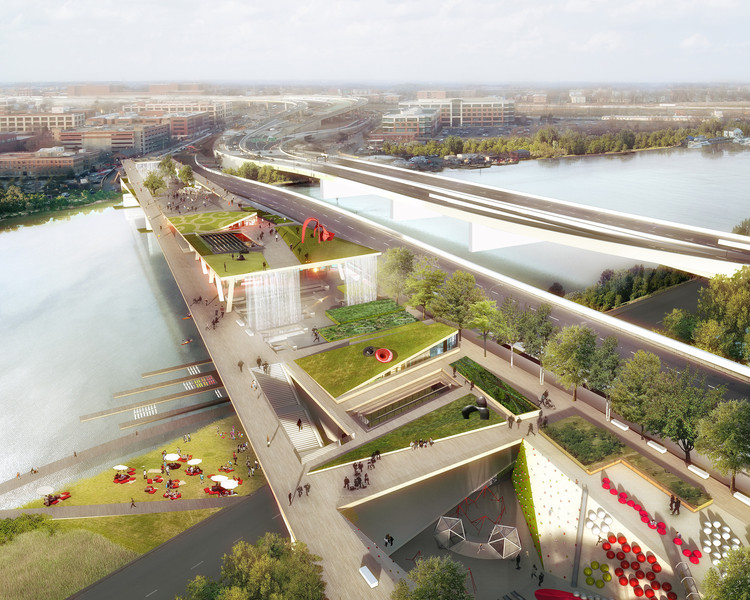
Olin has been involved in several landscape projects that have significantly transformed urban spaces, redefining the way people interact with their environments.
Key Olin Landscape Projects
- Bryant Park, New York City: Olin transformed this once-neglected park into a vibrant public space, attracting visitors and revitalizing the surrounding neighborhood.
- Tanner Springs Park, Portland: Olin's design turned a former industrial site into a sustainable urban oasis, showcasing innovative stormwater management techniques.
- Dilworth Park, Philadelphia: Olin's redesign of this public space created a multifunctional gathering area in the heart of the city, enhancing connectivity and accessibility.
Impact on Urban Environment
Olin's landscape projects have had a profound impact on the surrounding urban environments, fostering community engagement, promoting sustainability, and enhancing the quality of life for residents. These projects have served as catalysts for economic development and revitalization, attracting businesses, residents, and tourists to once-overlooked areas.
Influence on Future Urban Development Trends
Olin's innovative approach to landscape architecture has influenced future urban development trends by emphasizing the importance of green spaces, pedestrian-friendly design, and sustainable practices. Their projects have set a precedent for integrating nature into urban landscapes, creating healthier and more vibrant cities for generations to come.
Design philosophy of Olin landscape projects
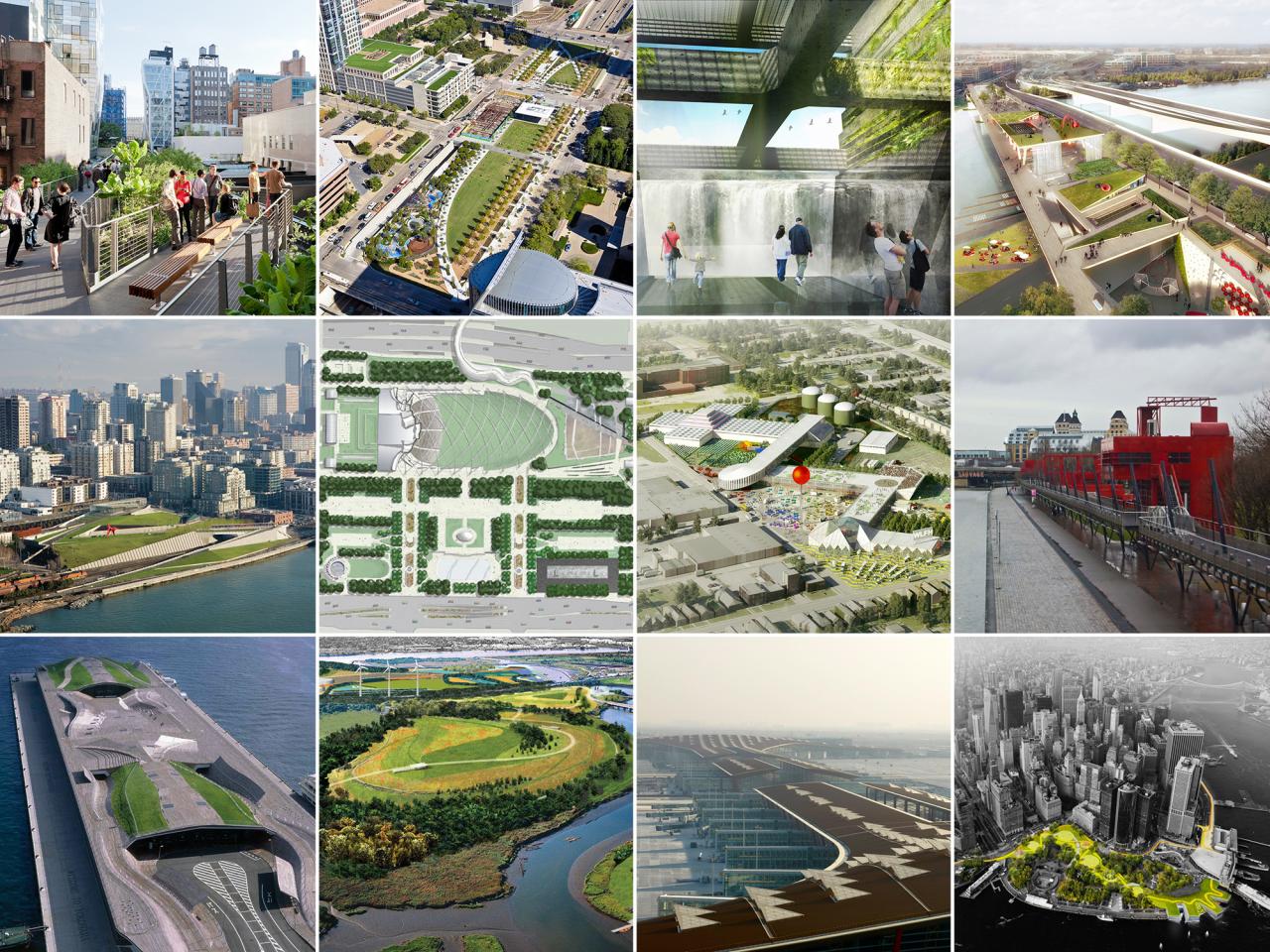
The design philosophy of Olin landscape projects revolves around creating sustainable and innovative solutions that enhance urban spaces while respecting the environment and the community. Olin's approach is guided by the principles of functionality, aesthetics, and ecological responsibility.
Integration of Nature
Olin's landscape projects often incorporate elements of nature seamlessly into urban environments. For example, in the Brooklyn Navy Yard Park project, they integrated wetlands and native plants to promote biodiversity and create a natural habitat within the city.
Community Engagement
Olin places a strong emphasis on community engagement in their design process. They involve local residents and stakeholders to ensure that the final landscape design meets the needs and desires of the community. This was evident in the revitalization of Dilworth Park in Philadelphia, where input from the public shaped the final design.
Sustainability and Green Practices
Sustainability is a core aspect of Olin's design philosophy. They prioritize green practices such as stormwater management, use of recycled materials, and energy-efficient lighting in their projects. For instance, in the Tanner Springs Park in Portland, Olin utilized sustainable stormwater management techniques to reduce runoff and promote water conservation.
Collaboration and Community Engagement
Collaboration and community engagement are fundamental aspects of Olin's landscape projects that aim to transform urban spaces. By working closely with architects, urban planners, and local communities, Olin ensures that their designs are not only visually appealing but also functional and sustainable
Architects and Urban Planners Collaboration
When collaborating with architects and urban planners, Olin focuses on integrating landscape design seamlessly into the overall architectural vision. By working together from the early stages of a project, they can create cohesive and harmonious urban spaces that prioritize both aesthetics and functionality.
Importance of Community Engagement
Community engagement plays a crucial role in transforming urban spaces as it ensures that the needs and preferences of the local residents are taken into account. By involving the community in the design process, Olin can create spaces that truly reflect the identity and values of the people who will be using them.
Successful Instances of Community Involvement
- One successful example of community involvement in Olin's projects is the revitalization of a neglected park in a low-income neighborhood. By engaging with local residents through workshops and meetings, Olin was able to design a park that met the community's needs for recreation and social interaction.
- In another project, Olin collaborated with a group of local artists to create a mural that transformed a drab concrete wall into a vibrant and engaging public art installation. This collaboration not only beautified the urban space but also fostered a sense of ownership and pride among the local community.
- Additionally, Olin has organized community clean-up events and planting days to involve residents in the maintenance and upkeep of the landscapes they have designed. This hands-on involvement not only enhances the beauty of the spaces but also instills a sense of responsibility and stewardship among community members.
Aesthetics and functionality in Olin's urban transformations
When it comes to Olin's landscape projects that transformed urban spaces, a key aspect that stands out is the balance between aesthetics and functionality. Olin's designs not only prioritize visual appeal but also ensure that the urban spaces are highly usable and practical for the community.
Integration of Art and Practicality in Design
One of the challenges that Olin faces in urban landscape design is integrating art and practicality seamlessly. This involves incorporating artistic elements such as sculptures, murals, or interactive installations while ensuring that these features do not compromise the functionality of the space.
Olin manages to strike a harmonious balance between artistic expression and practical use, creating urban landscapes that are both visually captivating and highly functional.
Enhancing Visual Appeal and Usability
- Olin's use of green spaces and vegetation not only adds to the aesthetics of urban areas but also enhances the usability by providing areas for relaxation, social gatherings, and recreation.
- Incorporating water features like fountains or ponds not only beautifies the space but also serves functional purposes such as providing a cooling effect in hot weather or masking urban noise.
- The use of versatile furniture and seating arrangements in Olin's designs not only adds to the visual interest but also ensures that the urban spaces are comfortable and inviting for the public.
Final Thoughts
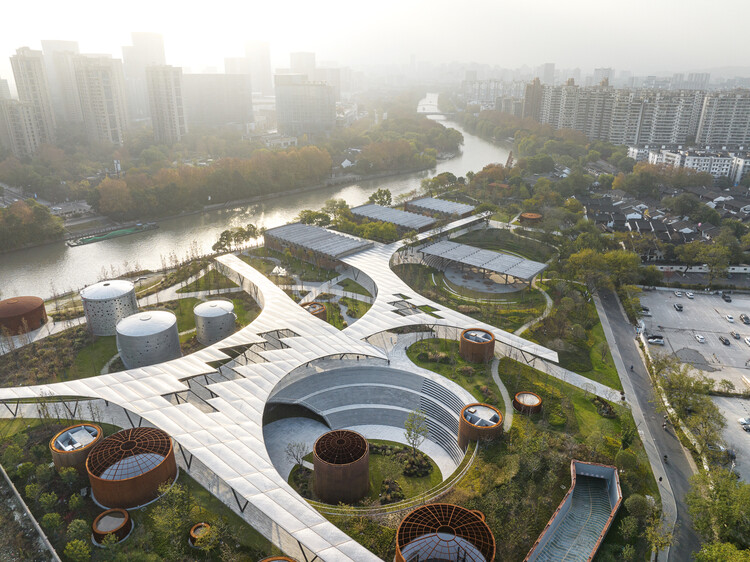
As we conclude our discussion on Olin landscape projects that transformed urban spaces, it becomes evident that the fusion of aesthetics, functionality, and community engagement plays a vital role in shaping the urban landscape. The legacy of these projects continues to inspire and pave the way for innovative urban developments in the future.
Question & Answer Hub
How does Olin approach sustainability in their landscape designs?
Olin integrates sustainable practices by incorporating green initiatives, utilizing eco-friendly materials, and promoting biodiversity in their projects.
What are some key features that enhance the usability of urban spaces in Olin's projects?
Olin focuses on creating multi-functional spaces with amenities like seating areas, walkways, and green spaces to improve usability.
How does community engagement benefit Olin's landscape projects?
Community involvement ensures that local needs and preferences are considered, leading to more inclusive and impactful urban transformations.